
Solarpunk Download For PC – Complete Setup Guide
Build Your Paradise in the Sky
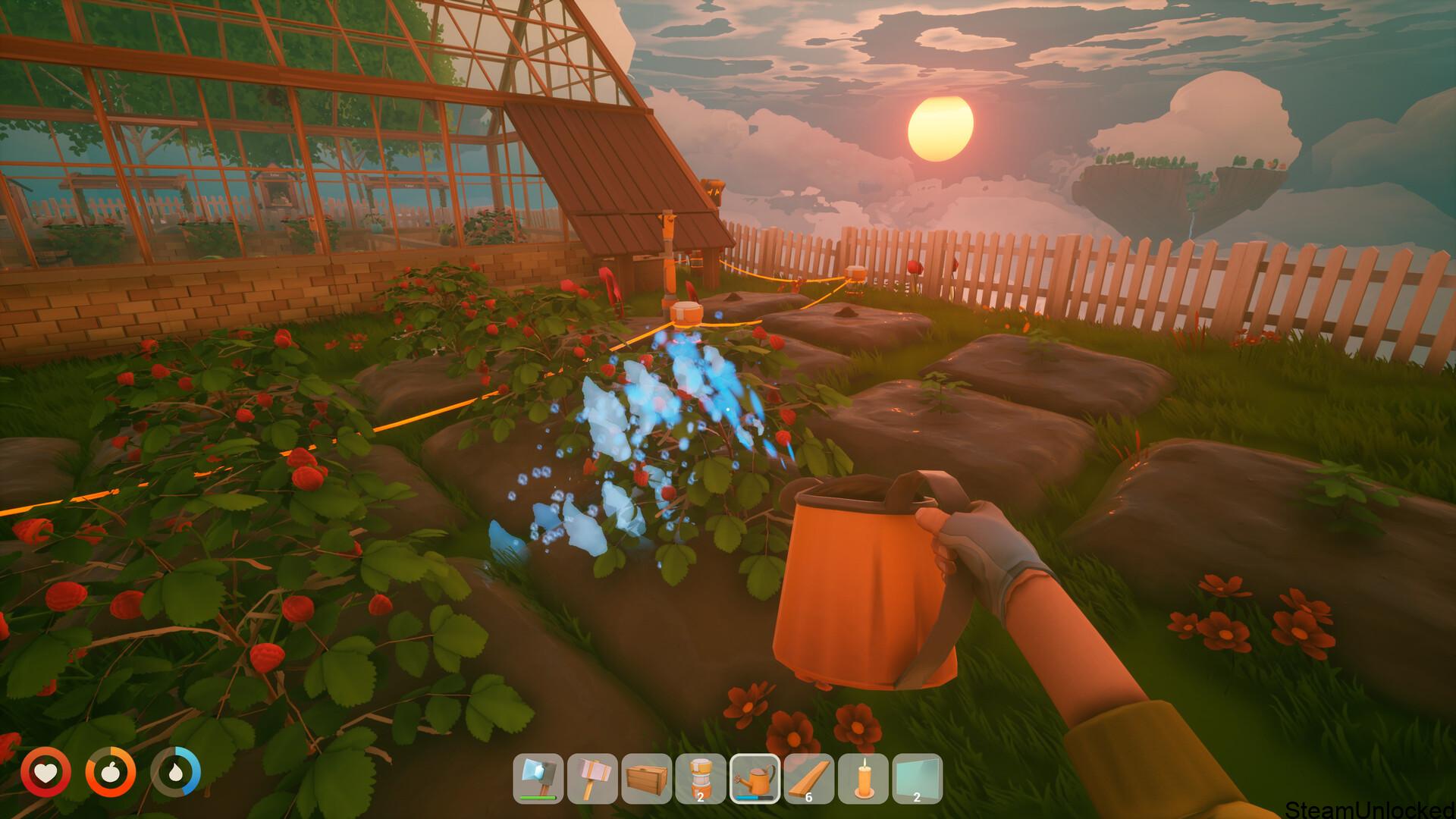
In Solarpunk, players find themselves exploring a vast archipelago of islands floating high above the clouds. Utilizing an advanced, customizable airship as your primary method of transportation, you can chart unexplored territories, discover unique resources, and expand your presence across the skies. The game can be played as a peaceful solo adventure or alongside friends in fully cooperative multiplayer mechanics.
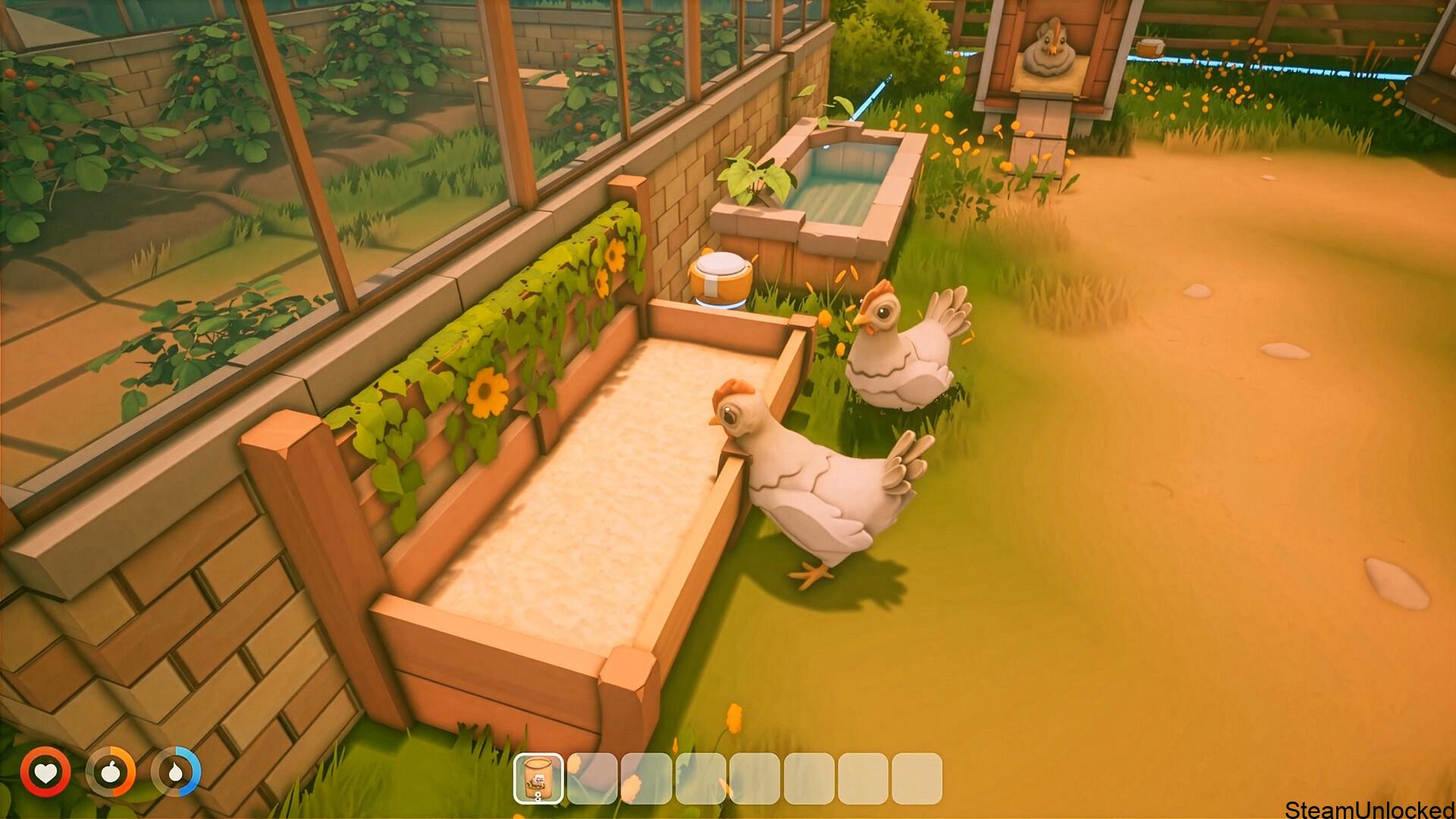
The core gameplay loops focus heavily on technological innovation and environmental engineering. Players must design intricate, automated systems utilizing renewable energy sources—harnessing the power of solar panels, wind turbines, and water currents to power their homesteads. From establishing automated agricultural farms and raising livestock to constructing elaborate crafting facilities, Solarpunk offers a refreshing, non-dystopian take on the open-world survival craft genre.
Solarpunk PC System Requirements
Before installing the game, check the list below to make sure your computer can run it. Having the recommended parts will give you a much smoother game with better graphics.
| Hardware Component | Minimum Requirements | Recommended Requirements |
|---|---|---|
| Operating System | Windows 10 / 11 64-Bit | Windows 11 64-Bit |
| Processor (CPU) | Intel Core i5-8400 / AMD Ryzen 5 2600 | Intel Core i7 / AMD Ryzen 7 or better |
| Memory (RAM) | 6 GB RAM | 8 GB RAM or higher |
| Graphics Card (GPU) | NVIDIA GTX 1660 6GB / AMD RX 5500 XT 6GB | NVIDIA RTX 3060 / AMD RX 7600XT or better |
| Storage Space | 5 GB available space | 5 GB available space (SSD recommended) |
Step-by-Step PC Installation Guide
Setting up your game edition requires just a few simple structural steps. Follow this outline to ensure a clean deployment:
- Access the Distribution Platform: Click the button provided in the portal section below to navigate straight to the authenticated product repository package.
- Acquire the Game Client: Log into your secure digital storefront library account and associate the full game profile to your games ledger.
- Configure Installation Path: Open your active desktop distribution app, click ‘Install’, and pick an internal drive location. An internal solid-state drive (SSD) ensures swift world streaming.
- Complete the Download: Allow the background launcher framework to deploy the clean, pristine file structure assets completely without interruption.
- Launch and Initialize: Boot the executable application container file. The game layout will automatically map configuration properties to your hardware profile for optimal performance.