
BeamNG.drive Download For PC – Complete Setup Guide

The Revolutionary Mechanics of Soft-Body Simulation
Unlike traditional racing titles that rely on scripted damage animations and static car models, BeamNG.drive calculates stress, strain, and deformation across an intricate network of interconnected beams and nodes. If you clip a guardrail at high speed, the front suspension bends authentically, the radiator ruptures, steering geometry alters instantly, and the engine block can even displace. It transforms driving from a simple arcade track race into a deeply tactical experience where mechanical empathy matters.
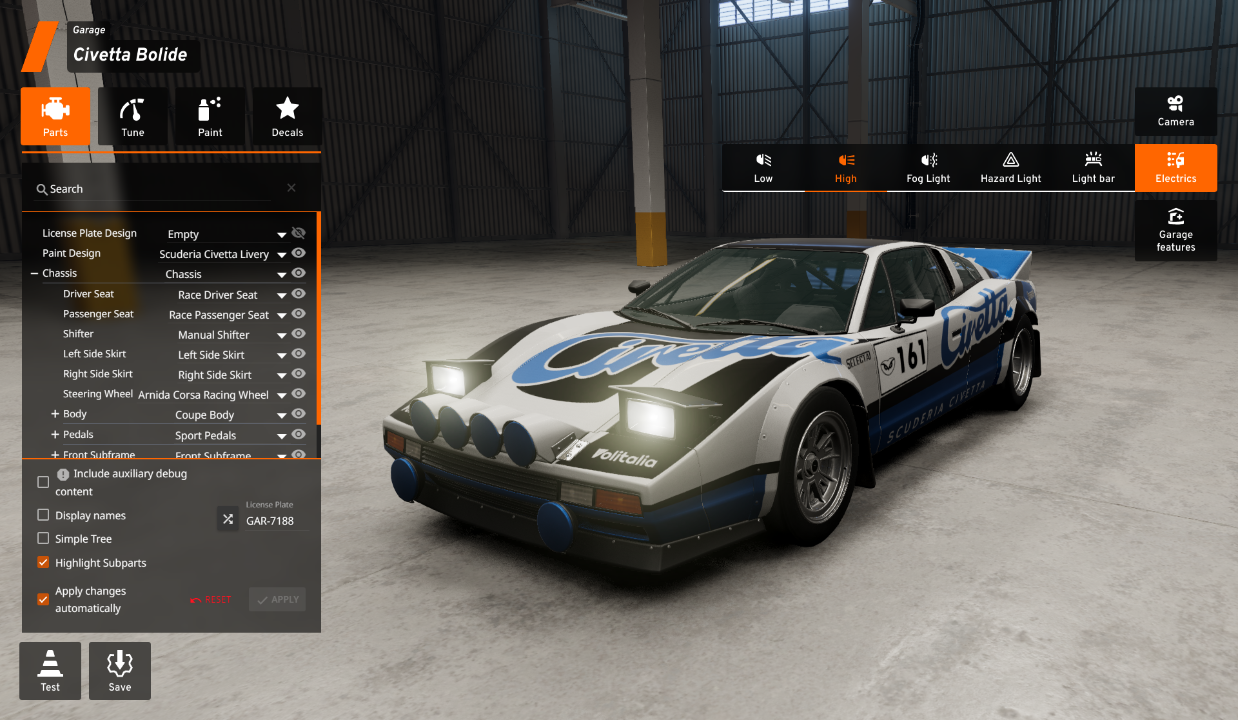
The gameplay scope stretches far beyond simple point-to-point driving. Players have access to an incredibly granular vehicle customizer menu that lets you strip down cars to their bare chassis. You can swap out factory engines for turbocharged powerplants, adjust independent suspension dampening parameters, change tire compounds, or install custom heavy-duty body panels. Paired with expansive open-world maps featuring varying terrain types—from dense asphalt highways to rocky off-road crawling trails—the title functions as an infinite playground for mechanical experimentation.

BeamNG.drive PC System Requirements
Simulating hundreds of individual physical nodes per vehicle simultaneously requires serious hardware processing capabilities. While basic configurations can handle a single automobile, spawning multiple AI vehicles demands robust computing infrastructure. Review the breakdown below:
| Hardware Component | Minimum Requirements | Recommended Requirements |
|---|---|---|
| Operating System | Windows 10 (64-bit required) | Windows 10 / Windows 11 (64-bit required) |
| Processor (CPU) | Intel Core i3-6300 or AMD FX-6300 | Intel Core i7-6700K or AMD Ryzen 7 1700 or higher (More cores allow more AI cars) |
| Memory (RAM) | 16 GB RAM | 32 GB RAM or higher to manage large maps and complex mod asset loads smoothly |
| Graphics Card (GPU) | NVIDIA GeForce GTX 970 or AMD Radeon R9 290 (4 GB VRAM) | NVIDIA GeForce RTX 2060 or AMD Radeon RX 5700 XT (6 GB VRAM or higher) |
| DirectX & Storage | Version 11 | 45 GB available space | Version 11 | 50 GB available space (SSD strongly recommended for map asset buffering) |
Step-by-Step PC Installation & Environment Setup Guide
Because the environment engine requires heavy disk reads to stream terrain files, proper storage installation and peripheral management are central to maintaining an fluid frame rate. Follow these steps:
- Open the Secure Installation Portal: Use the direct, verified button located within our interface footer below to access the secure repository page.
- Link Game to Desktop Client: Complete the secure licensing steps to bind the application permanently with your personal launcher interface directory.
- Isolate Storage Allocation: Initiate the deployment prompt. For an elite experience, select an SSD target destination; this minimizes asset loading freezes when zooming across massive terrain maps like West Coast USA.
- Configure Input Controllers: Connect your wheel system, controller gamepad, or flight stick before launching. Access the in-game hardware bindings layout menu to calibrate deadzones and fine-tune your force feedback curve adjustments.
- Optimize Simulation Performance: Launch a simple grid map scenario first. If your hardware lags, adjust the dynamic reflection properties or toggle the maximum amount of active traffic vehicles to keep calculations aligned with your core processing cycles.